




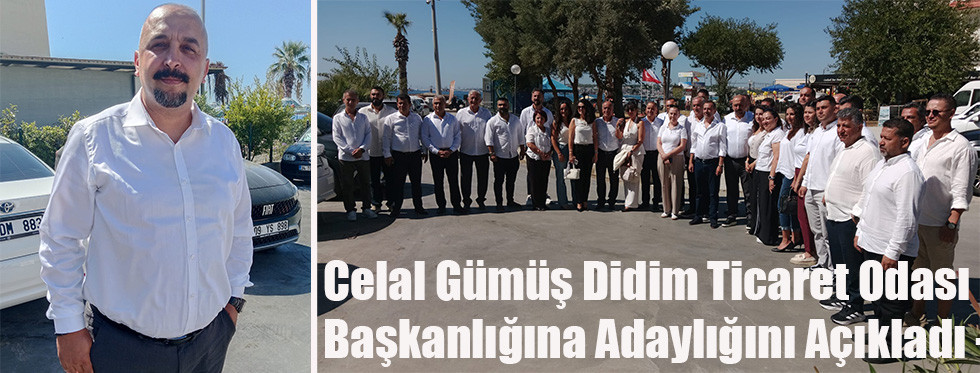
How Will This Season Be in Didim?
Today in Didim, the weather was unlike typical spring days. The sky was gray, and a light drizzle cooled the streets. Yet the calendar was saying something else: spring had arrived. Summer was just around the corner.
Turizm
Yayın: 28 Mart 2026 - Cumartesi - Güncelleme: 28.03.2026 12:07:00
Editör -
Yusuf Mehmet Sarışın
Okuma Süresi: 9 dk.

How Will This Season Be in Didim?
Written by Yusuf Mehmet Sarışın
Today in Didim, the weather was unlike typical spring days. The sky was gray, and a light drizzle cooled the streets. Yet the calendar was saying something else: spring had arrived. Summer was just around the corner.
Hasan Usta, who had just opened his shop, sipped his tea while looking at the empty tables across the street. In summer, it would be difficult even to walk through that same street. Now, apart from a few early tourists, there was no one. But that wasn’t the main issue. The real question on his mind was:
“How will this summer go?”
This question was not only Hasan Usta’s. It was shared by hotel owners, restaurant operators, boat tour organizers, and even the young people selling corn on the beach in Didim.
The Pulse of Tourism: From Local to Global
Didim’s fate was not determined solely by local dynamics. Tourism, by nature, is a global system. Economy, politics, climate, and transportation networks are all tightly interconnected.
Hasan Usta’s son, Emre, who studies tourism economics at university, explained it to his father like this:
“Dad, tourism is no longer just about ‘Is the weather nice?’ People plan their holidays based on exchange rates, flight prices, even the risk of war.”
Indeed, the world was unsettled. Global inflation, energy crises, regional conflicts… all of these directly affected tourism demand.
Countries Waiting for Summer
For places like Didim, the summer season is vital. The Aegean and Mediterranean coasts of Türkiye form the backbone of the country’s tourism industry.
Similarly:
Greece and its islands
Spain and its Costa regions
Italy and its southern coasts
These destinations depend heavily on summer tourism.
In these regions:
Summer = high income
Winter = low economic activity
That’s why even a rainy day in Didim is actually part of a countdown.
Countries Waiting for Winter
On the other hand, some parts of the world operate in reverse:
Switzerland
Austria
Canada
In these countries, winter tourism is the backbone of the economy. Ski resorts, mountain tourism, and winter sports define the season.
In this system:
Snow = income
Summer = secondary
Countries That Benefit from Both Seasons
Some countries have successfully leveraged tourism all year round:
France
United States
Here:
Coastal tourism thrives in summer
Ski tourism dominates in winter
This makes their tourism sector more resilient.
Didim’s Story: Fragile but Hopeful
Didim has not yet achieved this level of diversification. It remains heavily dependent on the summer season, which makes it structurally fragile.
Emre said to his father:
“Actually, that’s also Didim’s advantage, Dad. It’s an affordable destination, warm sea, long season… If the world doesn’t get too bad, people will still choose here.”
At this point, one of the fundamental concepts of tourism economics comes into play: price elasticity.
During economic crises:
Luxury destinations (such as Maldives) tend to lose demand
Mid-range destinations (like Didim) can gain demand
In other words, crisis can sometimes turn into opportunity.
Climate and the Future
But the issue is not only economic. Climate change is also reshaping the future of tourism.
Hotter summers → Longer seasons in the Mediterranean
Extreme heat → Tourists may shift to cooler destinations
Less snowfall → Threatens winter tourism
So, the tourism of the future is no longer just about sun and sea, but also about climate balance.
Hope Under the Rain
As the rain in Didim slowly stopped, the sun began to appear through the clouds.
Hasan Usta started wiping the tables.
Emre checked reservations on his phone.
“Dad,” he said, “early bookings aren’t bad.”
Hasan Usta smiled.
Because he knew one thing:
Tourism always comes with uncertainty. But it also comes with hope.
And in places like Didim, summer is not just a season…
It is the fate of the whole year.
Why Choose Didim? Tourism Dynamics and Outlook for Summer 2026
When analyzing tourism in Didim, the key factor that distinguishes it from other coastal destinations is accessibility and affordability. Didim is positioned not as a luxury destination, but as one that appeals to middle and lower-middle income groups. This makes it strategically more attractive during times of economic volatility.
Why Didim?
The reasons to choose Didim can be summarized as follows:
1. Price–Performance Balance
Despite rising holiday costs across Türkiye, Didim still offers relatively affordable accommodation and dining options. This is a major advantage, especially for domestic tourism.
2. Geographic Accessibility
Its proximity to İzmir and Muğla allows easy access by road, significantly increasing the number of day-trippers.
3. The Altınkum Beach Effect
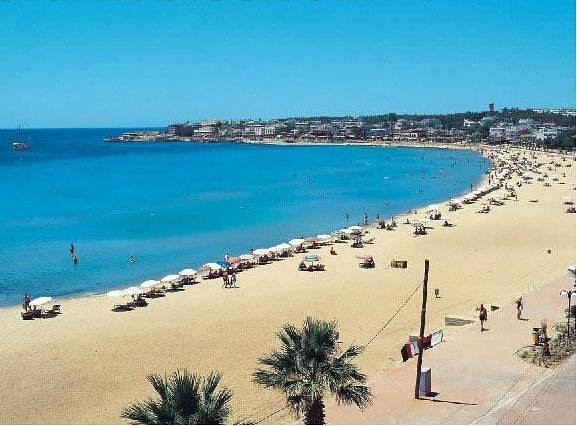
Altınkum Beach, with its shallow and clean waters, is particularly attractive for families.
4. History + Sea Combination
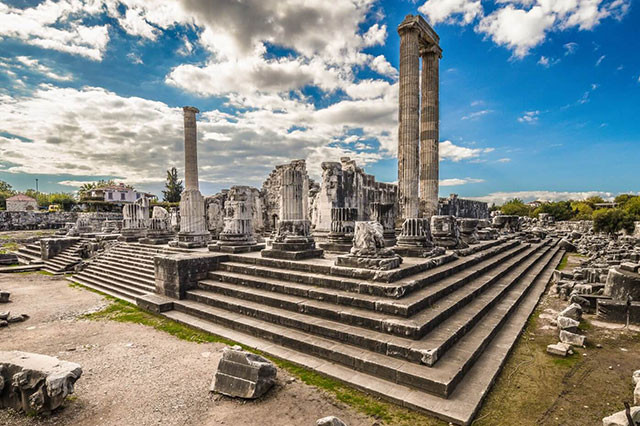
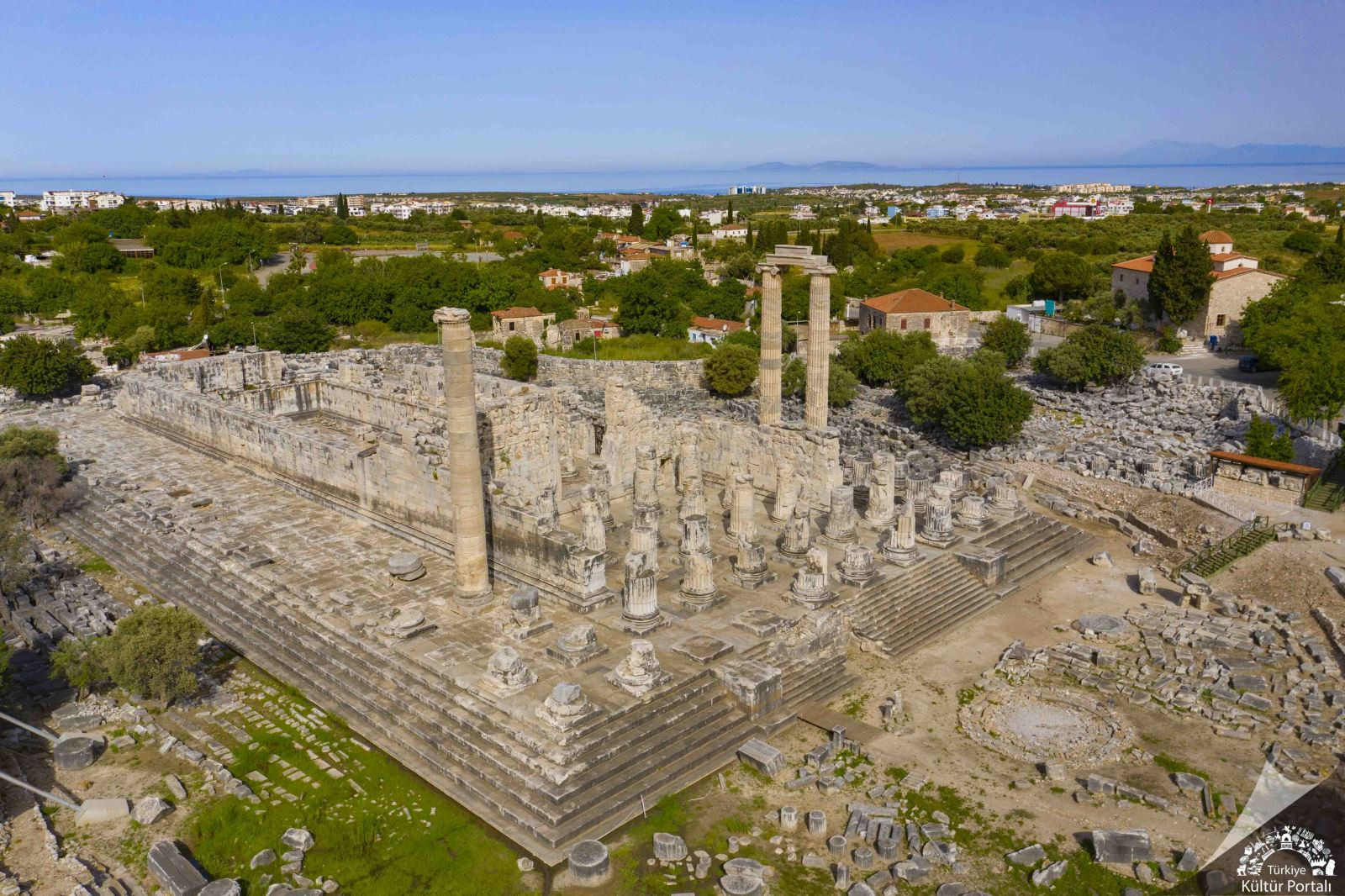
Historical assets such as Temple of Apollo support not only seaside tourism but also cultural tourism.
The Reality of Day-Trippers
One of the most critical structural characteristics of Didim tourism is:
High volume of day-trippers.
Particularly:
Domestic tourists from nearby cities
Summer house owners
Weekend visitors
These groups play a major role in the local economy.
This creates a dual effect:
Advantages:
Continuous flow of people
Vibrant beaches and local businesses
Increased instant consumption (food, entertainment)
Disadvantages:
Short stays → lower total spending
Even with full hotels, income distribution across the city may remain limited
A “high volume – low spending” model emerges
Therefore, Didim is not a classic high-income tourist destination, but rather a high-circulation tourism hub.
Summer 2026: Economic Outlook
The key determinant of this season will once again be the economy.
The general outlook can be summarized as follows:
1. Domestic Tourism Will Remain Strong
As international travel becomes more expensive, domestic tourists in Türkiye will turn to more affordable destinations like Didim.
2. Foreign Tourist Profile May Shift
Instead of high-spending tourists:
More budget-conscious visitors
Shorter stays
are expected to increase.
3. Hotels May Be Full, But…
Occupancy rate does not equal profitability.
Early booking discounts
Rising costs (energy, food, labor)
may put pressure on profit margins.
4. A Critical Season for Local Businesses
For local merchants, the key factor is not the number of tourists, but their spending behavior.
If tourists:
Spend less
Stay shorter
Consume more selectively
then even high visitor numbers may not meet income expectations.
Conclusion: A Balanced Summer
For Didim, summer 2026 will likely be:
Crowded
Lively
But not equally profitable for everyone
This reflects a classic paradox of tourism economics:
“Crowds do not always mean wealth.”
Still, Didim’s greatest advantage remains unchanged:
Accessible, warm, familiar, and sincere holiday experience.
And perhaps that is why, no matter how strong the economic storms are…
Didim continues to fill up, summer after summer.
Ek Fotoğraflar


Yorumlar (0)
İlginizi Çekebilir


Öne Çıkanlar
Video İzle - Şarkıcı Altay, Didim’i Coşturdu
Elif ile Ali Turgut’un Görkemli Düğünü Didim’i Buluşturdu
Yeni Parti’de delege heyecanı: Didim’de sandık başına gidildi
Celalettin Erol’dan Tarık Erol’a uzanan siyasi hikâye
AKBÜK’TE BİR VAN DÜĞÜNÜ: AYŞE NUR BABA OCAĞINDAN DUALARLA UĞURLANDI

ERGÜN EROL’UN EN MUTLU GÜNÜ: KIZI AYŞE NUR’U GELİN ETTİ
Fikret Alkaya 7. Kez Üst Kurul Delegesi

Emrah Irsık’ın Yıldızı Aydın’da da Parladı
Çok Okunanlar
1.
Emrah Irsık’ın Yıldızı Aydın’da da Parladı
2.
KULİSLER HAREKETLENDİ: DİLAVER DEMİR’E AYDIN İL BAŞKANLIĞI YOLU
3.
e-bebek Didim’de Şubesini Açtı: Artık Söke’ye Gitmeye Gerek Yok
4.
Yeni Parti’de delege heyecanı: Didim’de sandık başına gidildi
5.
AKBÜK’TE BİR VAN DÜĞÜNÜ: AYŞE NUR BABA OCAĞINDAN DUALARLA UĞURLANDI
6.
Celalettin Erol’dan Tarık Erol’a uzanan siyasi hikâye
7.
Norveç Kralı V. Harald Hayatını Kaybetti
8.
HAYAL SATMAK – 2. Bölüm 1-Ekranların Ardındaki Hayatlar