


As Veysel’s eyes closed, his heart opened to the World
Written by Yusuf Mehmet Sarışın: This is a story shaped by the harsh winds of Anatolia, a story that has absorbed the very scent of the soil…
Yaşam
Yayın: 21 Mart 2026 - Cumartesi - Güncelleme: 21.03.2026 13:39:00
Editör -
Yusuf Mehmet Sarışın
Okuma Süresi: 9 dk.

As Veysel’s eyes closed, his heart opened to the World
Written by Yusuf Mehmet Sarışın
This is a story shaped by the harsh winds of Anatolia, a story that has absorbed the very scent of the soil…
A story of a world unseen by the eyes, yet fully perceived by the heart…
This is the story of Aşık Veysel and his companionship with darkness.
Meeting the Darkness
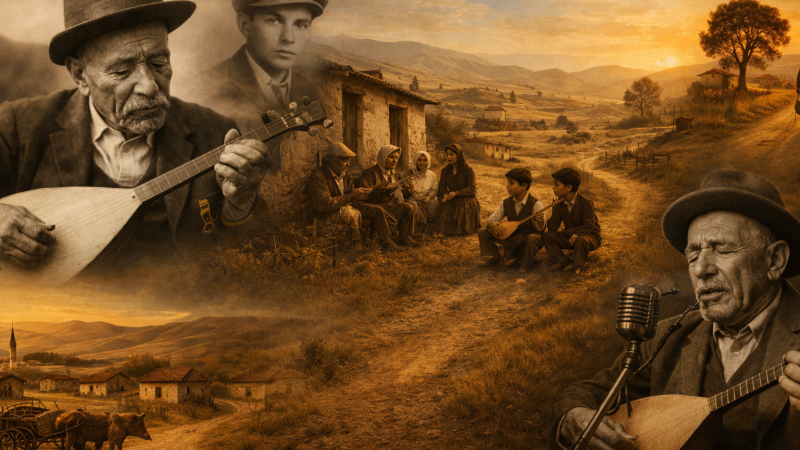
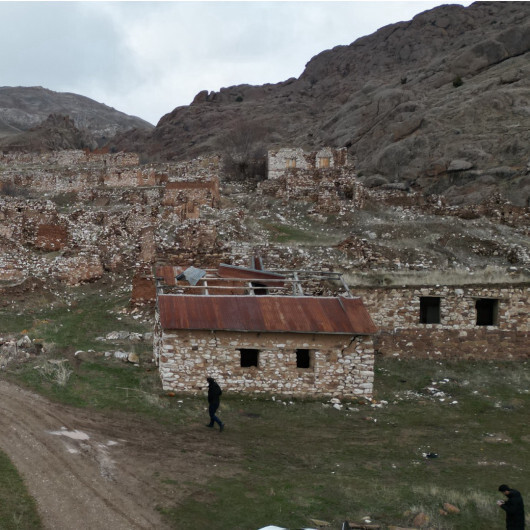
It all began in the earth-scented courtyard of a village in Şarkışla, Sivas.
Veysel was just a little child…
He ran, fell, laughed—like all the other children.
But one day, fate knocked silently on his door.
Smallpox came to the village…
First fever, then pain, then silence…
And then—darkness.
His eyes never opened again.
Yet no one realized this truth that day:
As Veysel’s eyes closed, his heart opened even wider to the world.
A Light Within the Darkness
At first, he was quiet…
Withdrawn, turned inward.
While other children played outside, he listened only to sounds:
The wind touching the trees…
The whisper of the soil beneath footsteps…
His mother’s sighs…
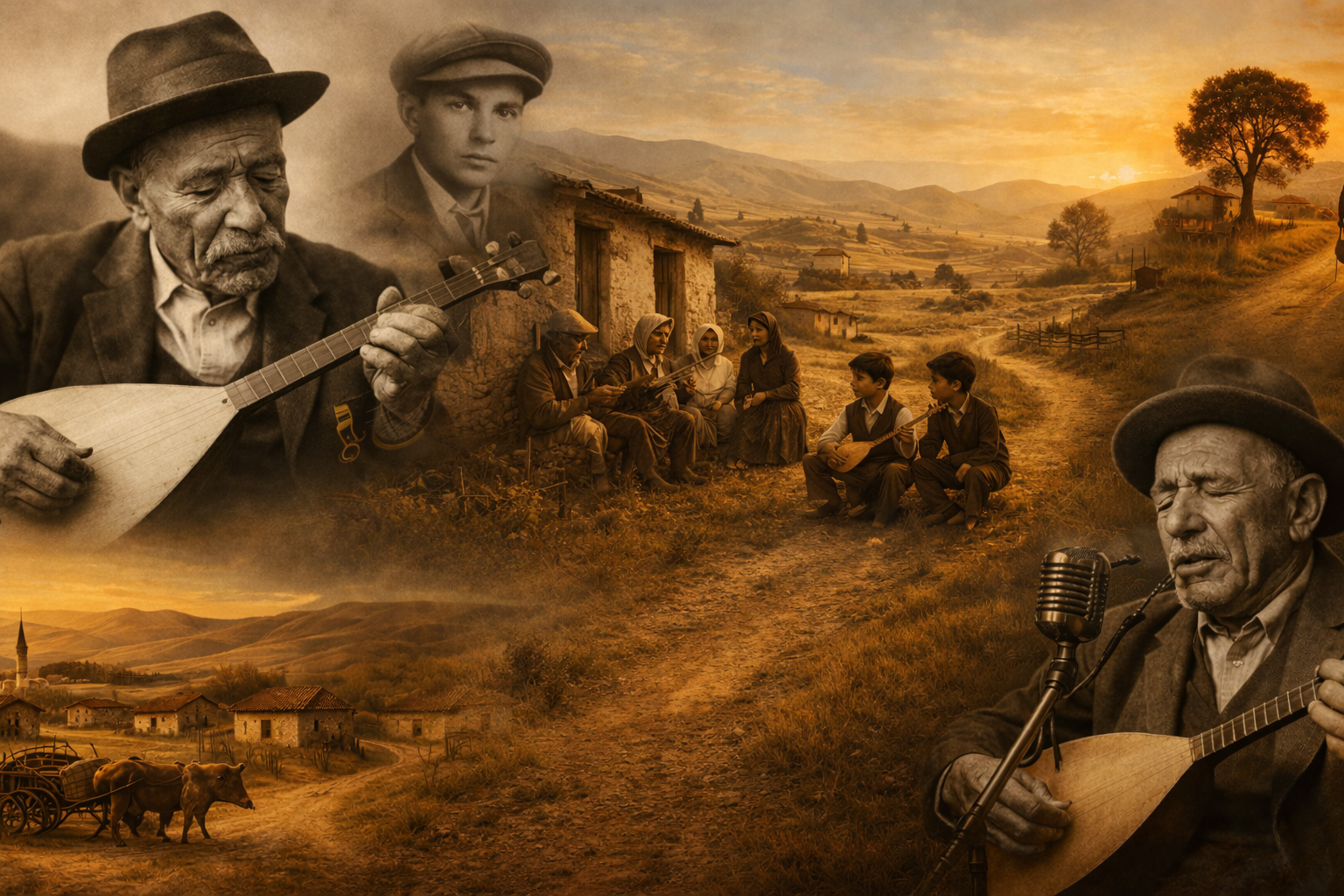
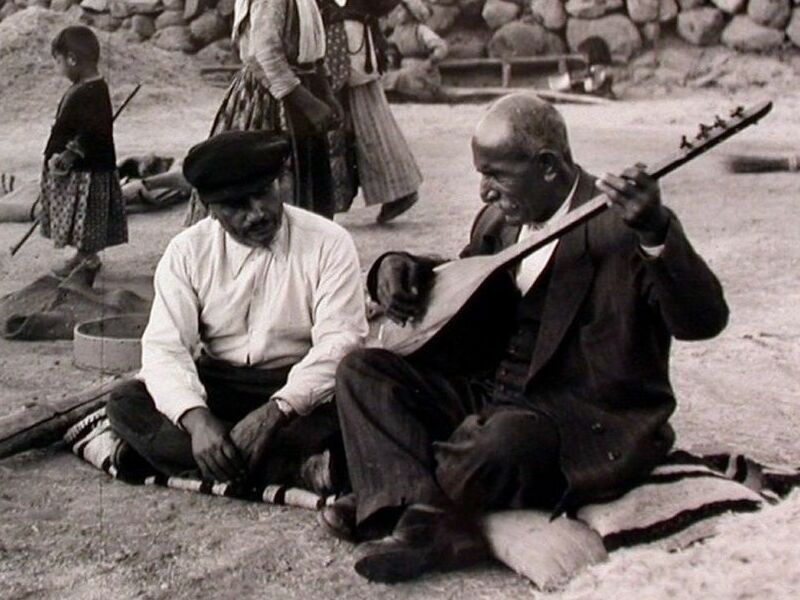
One day, his father placed a bağlama in his hands.
“Speak through this, my son,” he said.
And that day, Veysel found his voice.
The Language of the Saz, the Voice of the Heart
The moment he touched the strings, the world was rebuilt for him.
He could not see…
But he could feel.
Every string carried an emotion,
Every note carried a life.
Darkness was no longer a lack—it became a companion.
Because within that darkness,
He could see what others could not.
A Man in Love with the Earth
Veysel spoke most often of the soil.
When he said, “My faithful beloved is the black earth,”
He was not merely speaking—
He was expressing a lifelong truth.
The earth…
That embraces everything…
That separates no one…
Silent, yet just…
Perhaps Veysel understood the earth best through darkness.
For both were silent—
Yet both carried infinite stories within.
Eyes That Saw People
People said he was blind.
But he could see into people’s souls.
From a voice, he sensed intention…
From silence, sorrow…
From a smile, hidden wounds…
Because eyes can deceive—
But the heart never does.
Is It a Dark World?
One day, a traveler asked him:
“Isn’t the world dark for you, Veysel?”
Veysel smiled gently.
“My world is not dark,” he said.
“Yours is too noisy…”
Then he took his saz
And sang a folk song…
Do you know what it held?
The story of a man who could not see—
Yet saw everything.
Infinity Within Silence
Years passed…
Roads, people, songs multiplied…
But Veysel remained the same:
Simple…
Profound…
True…
For him, the world was not something seen with the eyes,
But felt with the heart.
And perhaps for that reason…
He lived in a world more real than the one we see.
Darkness was Veysel’s fate.
But he transformed that fate into light.
He taught us this:
Seeing is not with the eyes…
Understanding is with the heart.
And sometimes…
What we think is darkness
Is, in fact, truth itself.
A Lifetime Hidden in Folk Songs
Veysel’s language was his saz, his words were his songs…
Those who listened did not hear mere melodies—
They felt a lifetime, a sorrow, a love.
When he said “I Walk a Long and Narrow Road,”
He was telling his own life journey.
The world, like an inn with two doors,
Was a thin line between birth and death.
When he said “Let My Friends Remember Me,”
It was the voice of a heart unafraid of death,
Yet fearful of being forgotten.
And in “Black Earth,”
He expressed the greatest truth in its simplest form:
The soil…
That equalizes all, embraces all, excludes none.
His songs had no ornament,
No exaggeration—
Only truth.
A Sage in Conversation
Veysel was not only a minstrel, but a man of wisdom.
Those who spoke with him said they found not a “villager,”
But a deep philosopher.
One day, he was asked:
“Veysel, who is your greatest enemy?”
Without hesitation, he replied:
“It is man himself.”
In another conversation, he said:
“If you love, you are loved.
If you break, you are broken.
The world is a mirror, my child…”
His words were few, but profound.
Because he learned life not by reading—
But by living.
The Silent Years of Youth
His youth was not lively like others.
His blindness distanced him from crowds.
But solitude became his greatest teacher.
On long winter nights,
With the crackling of the stove,
He would take his saz…
He played for hours…
He thought for hours…
In those nights,
Veysel began to understand himself, humanity, the world, and fate.
Perhaps that is why
Every word he spoke seemed filtered through years.
Journeys and People
Over time, Veysel became not only the voice of his village,
But of all Anatolia.
He traveled from village to village, city to city…
Those who listened to him
Found their own stories in his songs.
In a coffeehouse, a villager would hide his tears…
On a stage in a city, intellectuals would listen in admiration…
Because Veysel
Was one of those rare souls who spoke to everyone.
His View of Humanity and Nature
In his world, there was no division.
No language, no religion, no wealth—
Everyone was simply human.
He would say:
“Come, let us get to know one another,
Let us make things easy…”
He followed the path of Yunus Emre.
Love was his compass.
He loved trees…
He loved the earth…
He loved people…
Because he felt that all existence
Came from the same source.
Final Years and His Legacy
Years passed…
His hair turned white…
But his voice never aged.
With his saz in hand, words on his tongue,
He continued to tell his story until his last breath.
He left behind no palaces,
No great fortunes…
But something far more valuable:
A perspective…
A lesson in humanity…
And songs that touch the heart.
And Today…
If somewhere today a bağlama resonates,
If a folk song touches a heart…
Veysel is there.
Perhaps in a word…
Perhaps in a voice…
Perhaps in the goodness within a person…
Because some people never die…
They become songs…
They become earth…
They become memory…
And most of all…
They continue to live
In the human heart.
Bu yazının Türkçe çevirisi.
Ek Fotoğraflar
Yorumlar (0)
İlginizi Çekebilir




Öne Çıkanlar
Ömer Günel cezaevinde Zekiye Sarışın'ın sorularını cevapladı
Ebeler artık sadece doğum yaptırmıyor!
Didim Belediyesi Altınkum Sanat Sokağı’nda Sanat ve Dayanışmayı Buluşturdu
DİDİM BELEDİYESİ YEREL EŞİTLİK EYLEM PLANI ÇALIŞMALARINI SÜRDÜRÜYOR
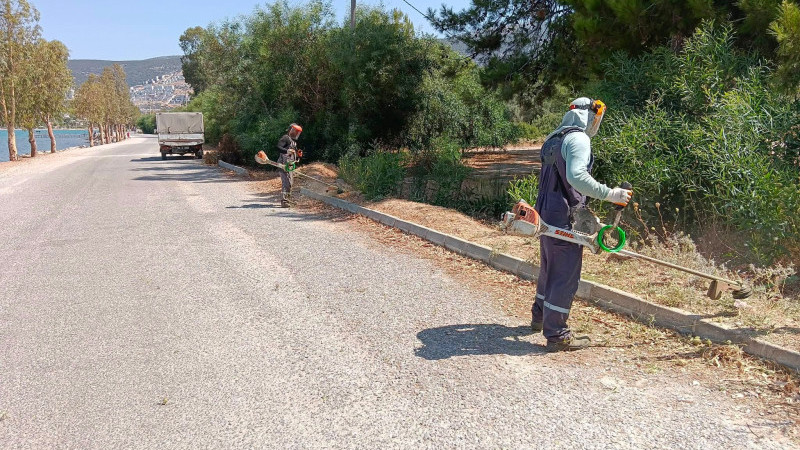
DİDİM BELEDİYESİ KENT GENELİNDE ÇEVRE BAKIM ÇALIŞMALARINI SÜRDÜRÜYOR
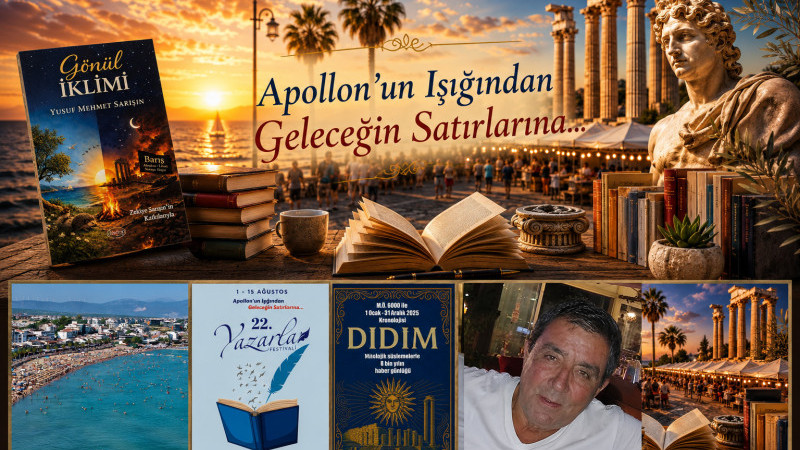
22. Altınkum Yazarlar Festivali bugün başlıyor
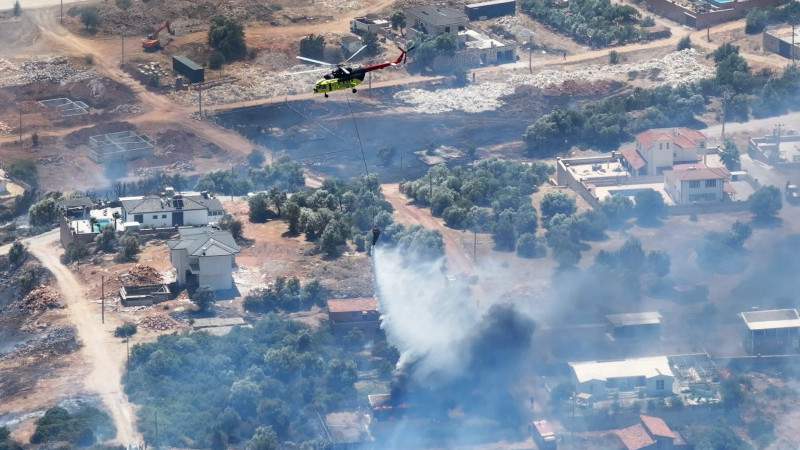
Akyeniköy’de Alevler Rüzgârın Etkisiyle Kısa Sürede Yayıldı
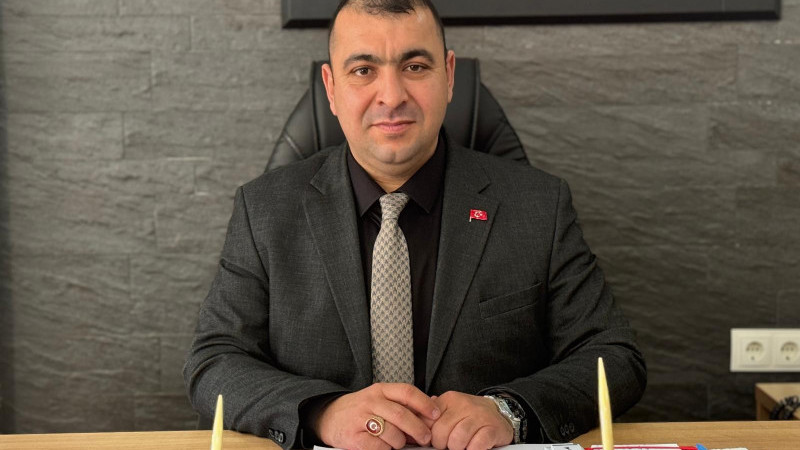
Mazot Şoför Esnafının Belini Büktü: Barış Şam’dan Çarpıcı Çağrı
Çok Okunanlar
1.
22. Altınkum Yazarlar Festivali bugün başlıyor
2.
Hatice Gençay CHP’den ayrıldı: 20 meclis üyesi de istifa etti. Kazım Sınırtaş CHP'de kaldı
3.
Mazot Şoför Esnafının Belini Büktü: Barış Şam’dan Çarpıcı Çağrı
4.
GENÇAY VE ÇOK SAYIDA İSİM BUGÜN CHP’DEN AYRILIYOR
5.
26 Temmuz... Bugün Evlilik Yıldönümüz
6.
Trabzonspor geleceğin Lukaku'sunu aldı
7.
Filenin Sultanları Dünya Şampiyonu.
8.
Gastronomi Dünyası yasta! Kızıl Sakal Eren öldü